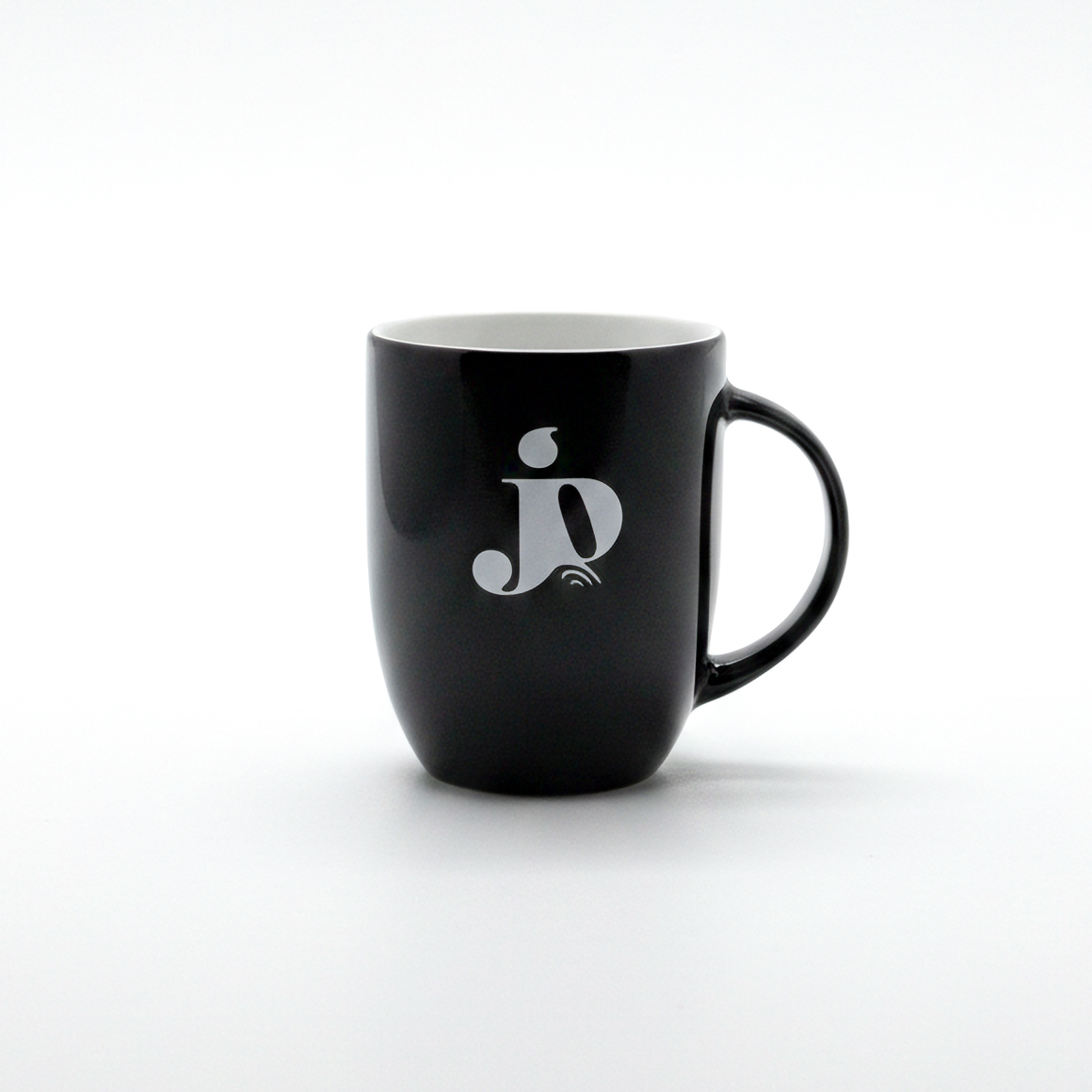
Our coffee cup
Example of a collection object with standardized object classification and integration into hierarchical taxonomies
Technical characteristics of the object
Our coffee cup serves here as an example of the structured classification of collection objects within the infrastructure. Like all objects in the system, it has been linked with standardized terms and controlled vocabularies to enable consistent research and analysis.
For object classification we use, among others, the OBG system (Object Designation System), whose hierarchies can be directly integrated into faceted search. This allows search results not only to be filtered on a single level, but to be explored across entire object groups and their subcategories. From a general category such as “utility objects,” users can gradually navigate down to specific object types or, conversely, discover related objects within the same hierarchy.
In addition to object classifications, any other taxonomies, thesauri, and authority data can be integrated. These include, for example, geographical references from GeoNames, person identifiers, controlled keyword systems, or institution-specific vocabularies. The hierarchical faceting makes these knowledge structures directly usable for search, navigation, and analysis.
The dating of this object has been intentionally modeled as a time span rather than a single point in time. This allows the cup to be correctly considered in temporal facets as well as chronological analyses. Thus, this seemingly simple object exemplifies how structured metadata forms the foundation for powerful research and knowledge spaces.
Geospatial data of the object
2 Objects found
Within 0.3km
The geospatial data is based on controlled vocabularies.
Number of objects found within
0.3km
radius:
2
Search objects in the surrounding area:
Warning - a new search will be started when clicking!
Basic data
Data source:
Object type:
Cup
Status:
published
Material:
Porcelain
Technique:
fired
Inventory number:
JO-06
Genre:
Everyday culture
Chronological dating:
Modern era
Dating:
between 2020 - 2025
Object Type Hierarchy:
Tasse
Full path of the hierarchy element:
Location
Administrative Hierarchy:
Jena
Full path of the hierarchy element:
Location:
Jena
Geo coordinates:
50.926528 11.585029
Polygon GeoJSON:
Access and usage options
Citation link:
https://justorange.de/item/en___jo_06
Administrative information
Added to portal:
2026-07-07T13:52:28Z
Feedback
Dear users,
In order to continually improve the quality of our portal, we rely on your help. If you discover errors in the data records (e.g. spelling, transposed numbers, etc.) or have other problems with the display of the documents, please do not hesitate to let us know. You can use the contact form below. Your data is transmitted securely using an SSL certificate. If you have any further questions about data protection, please click here: Information on privacy policy
In order to continually improve the quality of our portal, we rely on your help. If you discover errors in the data records (e.g. spelling, transposed numbers, etc.) or have other problems with the display of the documents, please do not hesitate to let us know. You can use the contact form below. Your data is transmitted securely using an SSL certificate. If you have any further questions about data protection, please click here: Information on privacy policy